

With its cold and often stormy weather, winter presents many safety challenges both indoors and out. Being prepared and following simple safety tips can help you and your family stay safe and warm this season.
Frostbite and Hypothermia
Bundle up before you head out to avoid hypothermia and frostbite. Dress warmly in layers of windproof clothing. Be sure to wear gloves, a scarf and a hat that covers your ears. Don’t forget to protect your feet too by wearing warm socks and waterproof boots. When you start to feel cold, and certainly if you’re shivering, go indoors.
Many people try to conserve energy and save money by reducing the heat in their home. Accidental hypothermia can occur even indoors with temperatures of 60 to 65 degrees. Infants less than one year of age should never sleep in a cold room and should be dressed in warm layers to prevent loss of body heat.
Warning signs of hypothermia in adults include shivering, confusion, memory loss, drowsiness, exhaustion and slurred speech. Infants with hypothermia may appear to have very low energy and bright red, cold skin.
Frostbite is another cold weather concern and is especially dangerous because it often happens with little warning. You may feel no more than a ‘pins and needles’ sensation in the hands and feet. Numbness can occur so quickly that you may be unaware of being frostbitten and remain outdoors, which increases the chances of permanent damage.
Snow Shoveling
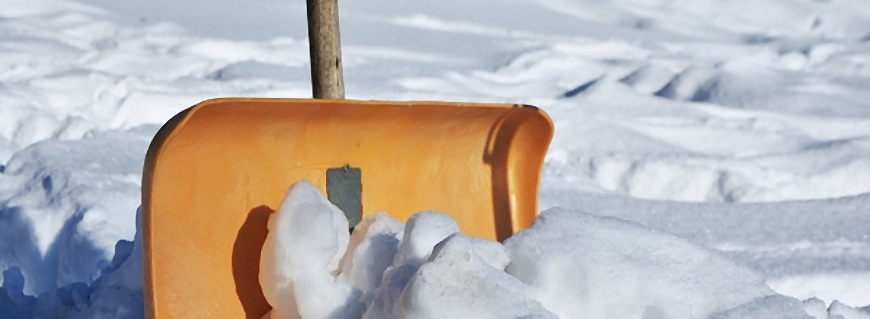
While no one wants to be snowed in, shoveling isn't for everyone. The following groups of people should never shovel snow:
- Senior citizens, or anyone with a history of heart disease or chronic lung disease. When strained by sudden, unaccustomed exercise, a diseased heart may have trouble getting enough oxygen through partially blocked arteries.
- People who suffer from asthma, unless their doctor specifically approves it. Asthma is aggravated by cold air and strenuous activity.
- Everyone should avoid shoveling in the dark, since patches of ice are less visible and there is a greater danger of slipping.
Anyone who shovels should know the warning signs of heart trouble, which include a heavy sensation in the chest or an acute chest pain which may travel down the left arm, accompanied by shortness of breath or a feeling of indigestion. If you experience these symptoms, stop shoveling at once and seek medical attention. Also, if you feel your hands and feet getting cold or numb, go inside immediately. This could be an indication of frostbite.
 Carbon Monoxide (CO) Poisoning
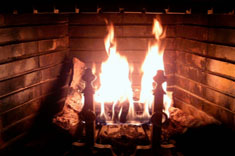
To avoid the dangers of carbon monoxide poisoning, you should heat your home only with the gas or oil-burning system that is built into your house. Using portable wood stoves, fireplaces, space heaters, kerosene heaters or ovens to heat your home can put you and your family at risk for carbon monoxide poisoning.
Carbon Monoxide (CO) is a deadly, odorless, invisible and toxic gas that is difficult to detect. For safety’s sake, install at least one carbon monoxide detector near the bedrooms in your home. A second detector near your home's heat source is also a good idea, as this will provide you and your family with extra protection against carbon monoxide poisoning. You should also make sure your home has smoke detectors that work properly.
During the winter months, many homeowners insulate and seal windows and doors to prevent drafts. This can pose a danger since proper ventilation is the key to preventing carbon monoxide poisoning. Prolonged use of a gas oven in a tightly sealed area can reduce your supply of oxygen and generate carbon monoxide levels that can be fatal.
The initial symptoms of carbon monoxide poisoning can easily be mistaken for flu symptoms. Nausea, vomiting, headache, confusion, sleepiness and dizziness are all early warning signs of carbon monoxide poisoning. Prolonged exposure to carbon monoxide can lead to unconsciousness, brain damage and even death. Individuals who suspect that they have been exposed to carbon monoxide should seek fresh air immediately and call 9-1-1.
Chain Saw Safety
Each year, approximately 36,000 people are treated in hospital emergency departments for injuries from using chain saws. The potential risk of injury increases after winter stroms, when chain saws are widely used to remove fallen or partially fallen trees and tree branches. It is always best to have a chain saw operator who is trained and experienced in safe chain saw use and cutting techniques to fell and remove limbs from trees. If you must use a chain saw yourself, be sure to take the following precautions to protect against injury:
- Operate, adjust, and maintain the chain saw according to manufacturer’s instructions.
- Properly sharpen chain saw blades and properly lubricate the blade with bar and chain oil.
- Choose the proper size of chain saw to match the job.
- Wear the appropriate protective equipment which includes a hard hat, safety glasses, hearing protection,heavy work gloves, cut-resistant leg wear and boots which cover the ankle.
- Avoid contact with power lines.
- Always cut at waist level or below to maintain secure control over the chain saw.
- Bystanders or coworkers should remain at least 2 tree lengths (150 feet) away from anyone felling a tree and at least30 feet from anyone operating a chain saw to remove limbs or cut a fallen tree.
- If an injury occurs, immediately apply direct pressure over the site(s) of heavy bleeding and call 9-1-1.
Portable Generator Safety
The primary hazards to avoid when using a generator are carbon monixide (CO) poisoning from the toxic engine exhaust, electric shock or electrocution, fire and burns. Never run generators indoors, including inside garages, basements, crawlspaces and sheds. Get to fresh air right away if you start to feel dizzy or weak and call 9-1-1. Always follow the instructions that come with your generator.
Space Heater Safety
Portable space heaters can be helpful as a supplemental source of heat for your home in cold weather. However, space heaters can pose fire and electric shock hazards if not used properly. Fire and electrical dangers can be caused by space heaters without adequate safety features and those placed near flammable materials. Safety must always be a top priority when operating a space heater. Here are some tips to keep you and your family safe while using a space heater:
- Before using any space heater, read the manufacturer’s instructions and warning labels carefully.
- Use a space heater that has been tested to the latest safety standards and certified by a nationally-recognized testing laboratory. Look for a label such as ETL, UL or CSA.
- Plug space heaters directly into a wall outlet. Do not use an extension cord or power strip, which could overheat and result in a fire.
- Place the space heater on a level, hard and nonflammable surface (such as ceramic tile floor), not on rugs or carpets or near bedding or drapes.
- Keep space heaters at least three feet from bedding, drapes, paper, furniture and other flammable materials.
- Place space heaters out of high traffic areas and doorways where they may pose a tripping hazard.
- Keep children and pets away from space heaters.
- Never leave a space heater unattended. Turn it off when you're leaving a room or going to sleep.
Home Heating Assistance for Low Income Residents
Residents who are eligible can receive financial help to heat their homes this winter. To find out more about eligibility, call United Way's 2-1-1 or the Department of Social Services HEAP unit at (914) 995-5619. You may also check your eligibility by going to New York State's Home Energy Assistance Program (HEAP). Applications can be downloaded from the county's Website.